

🌧️ No Power, No Problem?
If you've been watching the news out of France lately, you already know it's been rough. But living through Storm Nils in the southwest hit differently than reading about it from a screen.
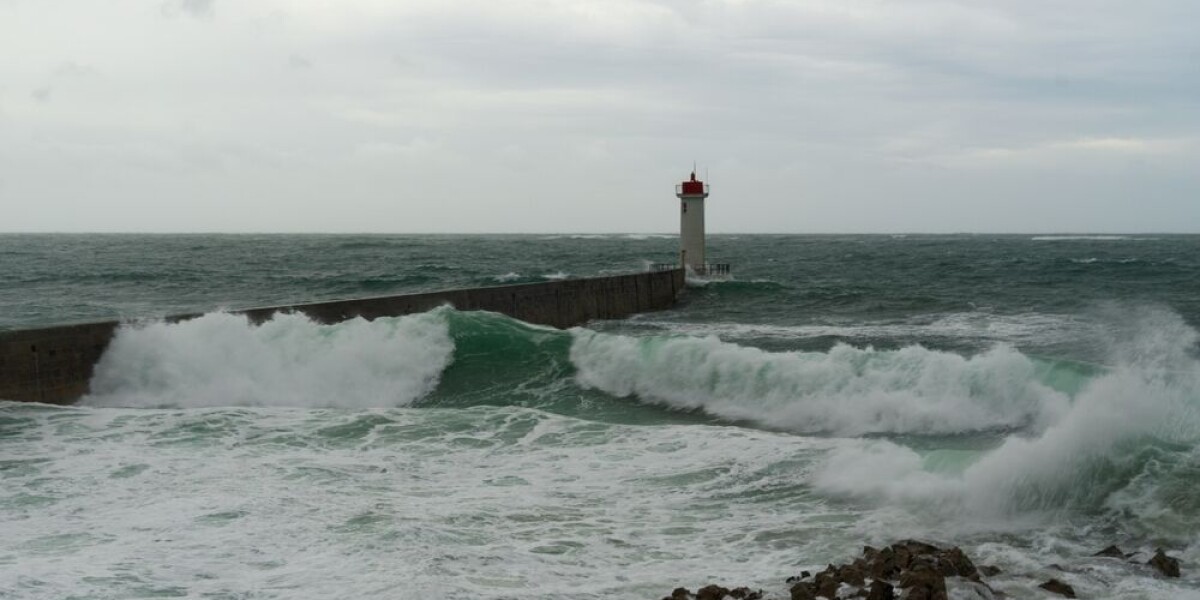
Here's the short version: France has been on continuous orange or red flood alert somewhere in the country for 30 straight days. Eighty-one departments, 154 rivers, all on alert at the same time. Officials told AFP they've "exceeded all records." Soil moisture is at its highest point since they started keeping track in 1959. The ground is so saturated that even light rain sends rivers surging because there's nowhere for the water to go.
The Garonne, which runs right through our region, hit staggering levels. We're talking over 33 feet at Marmande. Nearly 1,700 people were evacuated in Lot-et-Garonne. Nearly 900,000 homes across France lost power. Three people lost their lives. Entire villages were cut off, described by officials as "totally isolated."
I happened to be heading to Paris for a work trip the morning the storm hit. Getting out was its own adventure. Three separate routes to the train station were blocked by downed trees. I made it to the station, barely, and caught what turned out to be one of the last trains running before they cancelled service for days.
Dylan, meanwhile, got the full experience back at the house. Three days without power. No heat except the fireplace, no cooking except the gas stovetop. Our dog Lincoln was unbothered, naturally. Dylan handled it like a champ, but his phone died after the first day, so I was getting radio silence from the countryside while sitting in a perfectly lit Paris apartment. "Roughing it" takes on a whole new meaning when your only light source is candles.
The storm also flooded our summer barn by the pool. It's clear from the drainage situation that this has happened before. We won't be living with it. Fixing the drain setup around the barn just jumped to the top of the house project list.
And the generator. Three days without power, and our American sensibilities took over. We ordered one before the lights even came back on. Because if there's one thing Storm Nils taught us, it's that the French countryside doesn't come with a backup plan unless you build one yourself. We have also noticed our neighbors are a step ahead, and most of them have a generator or another form of backup power.
February rainfall in the region hit 300% above average, the wettest since 1872. And as of this week, the alerts are still active. The Garonne started rising again after a brief dip, and more rain just keeps falling.
We moved here for the quiet life. Nobody mentioned the part where the quiet life occasionally comes with biblical flooding.
❄️ It was cold before it rained
A little old French man with the kindest southern French accent showed up with two cords of firewood just as temperatures were dropping to freezing. Perfect timing. Except his truck wouldn't start on the way out. Parts of the engine were freezing in the cold, so he had to call his buddy to come get it going again. Watch all the drama here.

That was the warmup act. The next morning I woke up to silence. Not the peaceful kind. The kind where you turn on the faucet and nothing happens.
23°F outside, no water pressure, and the slow realization that our 200-year-old Dordogne house was about to teach us an expensive lesson. The water softener the previous owners installed in an uninsulated barn? Completely frozen. Main pipes running through the old chicken coop? Exposed and iced over. And the melted electrical plug rigged to a space heater we found in there? A reminder that sometimes it works better for everyone to plan for the extremes when upgrading the house.
My dad walked me through it over the phone: space heaters aimed at the frozen sections, patience, don't force anything or you'll crack the pipes. What followed was a full archaeology dig of our own property, prying up broken patio stones to find buried water lines we didn't know existed, wrapping foam insulation in a spider-web-filled barn, and replacing that sketchy electrical rigging properly. A hardware store run, made longer by elderly French drivers doing 50 in a 70 zone, picked up some heat tape, insulation, and proper electrical boxes. Water came back a few hours later. The real lesson: French winterization philosophy is "drain everything and leave it empty," which works great for vacation homes but falls apart when you actually live here year-round.


The frozen pipes taught me something beyond plumbing. In the US, when you walk into a hardware store with a problem, the default response is usually "sure, we can probably figure that out." Optimism, speed, customer-friendly flexibility. You say yes early and figure out the details as you go.
In France, the first answer is often no. Or "that's not possible." Even when it actually is possible.
At the hardware store, I explained what I needed for the pipes. The initial response was that the specific fittings wouldn't work with our system. Too old, wrong specs, incompatible with modern parts. But after showing photos, explaining the exact setup, and proving I understood what I was dealing with, suddenly the options appeared. Different aisle, different solution, but it worked.
It's not about shutting you down. It's about protecting the rules, the process, and not promising something they can't guarantee. Once you prove you understand the system (right person, right paperwork, right wording), the "no" can slowly turn into a yes.
The difference trips up Americans constantly. We're used to enthusiasm up front and complications later. Here, you get complications up front and solutions later. Neither approach is wrong. They just require different patience.
If you push through the uncomfortablility and hold your ground, it seems to help make it happen, sometimes.
✍️ Personal Note
The past few weeks threw more at us than “planned.” Frozen pipes at 23°F, flooding and storms in the region cutting power for days, and a firewood delivery with a frozen truck. The power is back on, the water's running, the wood is stacked, and we survived our first real French winter challenge. What’s next???
More from France soon,
Andrew